
US-Iran War Nears End: Trump Announces Peace Deal, Strait of Hormuz to Reopen | Langit Eastern
US President Donald Trump announced on June 12, 2026 that a peace deal with Iran will be signed on Sunday, June 15, and the Strait of Hormuz will be "open to all" immediately after the signing. The announcement came after three days of intense fighting between the US and Iran that nearly collapsed the ceasefire in place since April 8, 2026. Pakistani Prime Minister Shehbaz Sharif, whose country serves as the lead mediator, confirmed that a "final, agreed upon text of the peace deal has been reached."
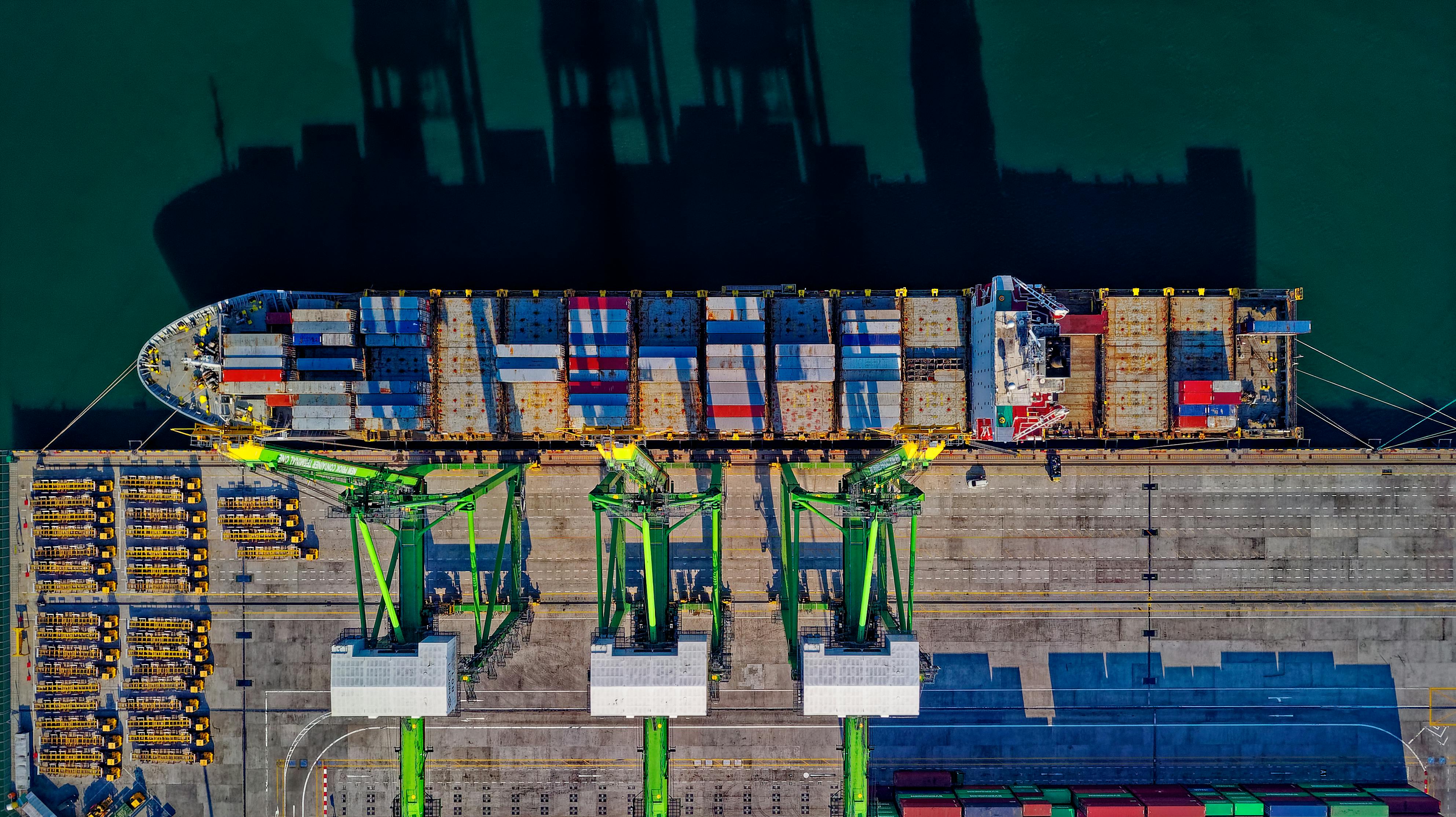
The US-Iran war, which erupted in late February 2026, has killed thousands and sent global energy prices soaring after Iran effectively closed the Strait of Hormuz, the chokepoint that normally handles one-fifth of the world's oil and liquefied natural gas supplies. Brent crude peaked at $125 per barrel in late April before falling below $88 on June 13 as peace deal optimism grew. Asian and global equity markets rallied strongly on Friday, reflecting growing confidence that the three-month conflict may finally be ending.
The agreement, dubbed the "Islamabad Memorandum of Understanding," was brokered by Pakistan with backing from Saudi Arabia, Turkey, Egypt, and Qatar. Iranian Foreign Minister Abbas Araghchi said a deal "has never been closer" and confirmed the war would end "on all fronts, including Lebanon." However, he made clear Iran will not return to the pre-war status quo for the Strait of Hormuz. Tehran wants a permanent toll system for transiting vessels, with Araghchi stating "there will be costs involved, and those costs must be paid." This demand directly challenges international maritime law, which guarantees free passage through international straits.
The deal's structure involves two phases. Phase one is an interim agreement covering cessation of hostilities, reopening of the Strait of Hormuz, lifting of the US blockade on Iranian ports, and release of $24 billion in frozen Iranian assets held in foreign banks. Phase two, within 60 days of signing, will address Iran's nuclear program including removal and destruction of highly enriched uranium. Trump emphasized "there will be no nuclear weapons in Iran. That means not developed and not purchased." A senior US official confirmed the 60-day period would be used to work out technical details for removing enriched uranium believed to be entombed under three nuclear sites battered by US strikes.
The signing is planned for Geneva, Switzerland, adjacent to the G7 summit in Evian, France (June 15-17). Vice President JD Vance and special envoy Steve Witkoff will represent the US. Yet tensions remain high. CENTCOM reported intercepting multiple Iranian one-way attack drones targeting commercial ships in the Strait of Hormuz on June 13. A day earlier, Iran warned any vessel attempting to cross the strait would be fired upon. A Guinea-Bissau-flagged tanker was also struck in a US attack on Thursday, killing three Indian sailors and triggering a sharp protest from New Delhi. India's Foreign Minister Jaishankar lodged a "strong protest" with Secretary of State Marco Rubio, calling the lethal actions against commercial shipping "not justified."
Israel remains the primary complicating factor. Netanyahu stated Israel "is not a party to the memorandum of understanding" while expressing appreciation for Trump's commitment to a deal that includes removing enriched material, dismantling enrichment infrastructure, limiting missile output, and ending support for regional proxies. Defense Minister Israel Katz warned Israel will not withdraw from Lebanon, Syria, or Gaza and could act independently against Iran. Last week, Trump admitted he "swore at Netanyahu" during a phone call over Israeli military operations in Lebanon that threatened the peace process. The parallel war between Israel and Hezbollah in Lebanon continues, and Iran has demanded its inclusion in any ceasefire.
The economic toll of this war has been severe. High gasoline prices have eroded Trump's approval ratings and sparked Republican concerns about losing control of Congress in the November 2026 midterm elections. On the Iranian side, the government claims approximately $300 billion in damage from intensive US and Israeli bombardment. Mehr News Agency reported the deal includes "reconstruction plans" worth around $300 billion for Iran. Foreign Minister Araghchi went so far as to claim Iran is the "winner" of the war and has "emerged stronger" from the conflict, a statement clearly aimed at domestic political consumption.
Despite the optimism, obstacles remain. Iran's Supreme Leader Ayatollah Mojtaba Khamenei, who has been in hiding since the conflict erupted, must still grant final approval. Communication with him reportedly takes days. Iran has also not made a final decision, with Foreign Ministry spokesman Esmaeil Baghaei stating "we have not reached a final conclusion on this matter." Additionally, mines likely placed by Iran in the Strait of Hormuz must be cleared, with the UK and France already preparing a post-war mine-clearing mission. Roughly 140 ships passed through the narrow chokepoint daily before the conflict; that number has crept up in recent weeks but remains far below pre-war levels. If successful, this deal would represent the most significant diplomatic breakthrough in modern Middle Eastern conflict resolution.
Saran Link Internal: Impact of the Iran-US war on global energy prices, Pakistan's role as Middle East conflict mediator, Analysis of Iran's nuclear program post-agreement