
SpaceX IPO Makes History: Largest IPO Ever, Elon Musk Becomes World's First Trillionaire | Langit Eastern
SpaceX officially made stock market history on June 12, 2026. Elon Musk's rocket, satellite internet, AI, and social media conglomerate executed the largest Initial Public Offering (IPO) ever recorded, raising $75 billion through the sale of 555.6 million Class A common shares at a fixed price of $135 per share. The initial valuation reached approximately $1.77 trillion, instantly making SpaceX the seventh most valuable company in the United States, ahead of Tesla.
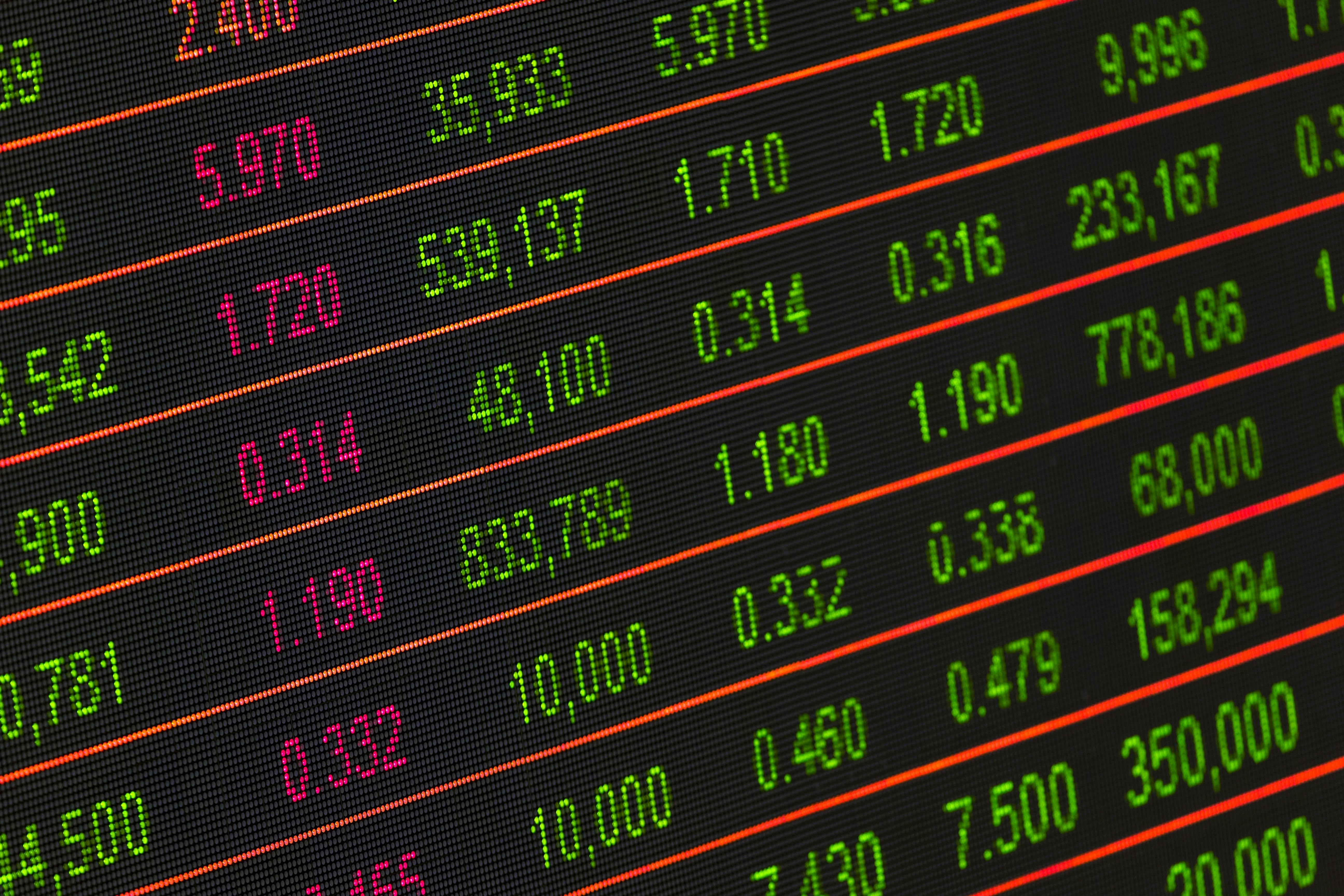
SpaceX shares, trading under the ticker SPCX on both the Nasdaq Global Select Market and the new Nasdaq Texas exchange, immediately jumped 11% at the open and closed up 19.2% at $160.95 per share. The company's market capitalization after the first trading day reached $2.11 trillion. Investor demand was extraordinary: total orders reportedly exceeded $250 billion, roughly 3.3 times oversubscribed. Retail demand alone surpassed $100 billion, including a single order worth more than $5 billion from BlackRock. Wall Street coverage began before the first trade, with Oppenheimer initiating at Outperform and a $190 price target, implying approximately 40% upside from the IPO price.
With this stock surge, Elon Musk officially became the world's first trillionaire. Before the IPO, Musk's net worth stood at approximately $795 billion according to Forbes, accounting for his holdings in Tesla, SpaceX, and other ventures. After the first trading day closed, Musk's net worth jumped to an estimated $1.1 trillion according to the New York Times. Musk owns roughly 40% of SpaceX's equity but controls 84-85% of voting power, giving him near-absolute control over the company despite its new public status. He is restricted from selling shares for one year but can borrow against them in the meantime, accessing billions in cash without triggering taxable events.
What makes this listing particularly complex is the breadth of entities bundled into one ticker. SPCX is not merely a rocket company. It encompasses the launch business (Falcon 9 and the still-maturing Starship program with over 650 launches to date), Starlink as the primary revenue engine through satellite internet, xAI as the artificial intelligence laboratory, and through xAI, the X platform (formerly Twitter) acquired in 2025. A retail investor buying one share of SPCX technically becomes a shareholder in a rocket manufacturer, an internet service provider, an AI lab, and a social network simultaneously. Two unusual disclosures: SpaceX holds 18,712 Bitcoin worth approximately $1.2 billion, and a tokenized version of SpaceX shares began trading on Solana-based platforms the same day.
However, this valuation has drawn analyst skepticism. Morningstar issued a fair-value estimate of just $63 per share in a June 8 report, implying a valuation around $830 billion. Even that figure assumes favorable outcomes for two unproven technologies: a rapidly reusable Starship upper stage and commercially scalable orbital AI data centers. Morningstar analysts project neither technological question will be answered before 2028, even in the most optimistic scenario. The IPO valuation represents roughly 94 times revenue, substantially higher than Meta at 22x and Amazon at 18x during their respective IPOs. The implied valuation requires the company's 2035 earnings before interest and taxes to grow 75-fold from 2025 levels.
On the financial front, the xAI segment including X posted a $6.36 billion operating loss in 2025 on $3.2 billion in revenue, up 22% year-over-year. Capital expenditures for the AI business reached $7.7 billion in just the first three months of 2026, a significant acceleration from $12.7 billion for the full year 2025. Meanwhile, X generated approximately $1.8 billion in advertising revenue in 2025, less than half of the $4.5 billion Twitter reported in 2021. Of X's 550 million monthly active users as of March 2026, only 4.4 million were paying subscribers.
The SpaceX IPO serves as the icebreaker for the largest IPO pipeline in market history. Anthropic filed confidentially on June 1 with a reported valuation around $965 billion, and OpenAI followed on June 8. Both are watching SPCX's market reception closely. A strong debut accelerates their timelines; a weak one chills the window. Nasdaq's new fast entry rules also mean SPCX could join the Nasdaq-100 index in as little as 15 days instead of up to a year, triggering automatic buying from index funds and adding another demand wave.
Robinhood reported record-breaking traffic on its trading platform after the SpaceX debut, with some customers experiencing latency and intermittent issues that quickly recovered. In the first hour of trading alone, approximately 263 million shares changed hands, representing roughly $42 billion worth of SpaceX stock traded. Only about 4% of the company's shares were made available in the offering, creating the exact supply-demand imbalance that historically produces a significant first-day price pop. The backdrop was dramatic: markets were rocked earlier in the week with the Dow falling nearly 1,000 points on June 11 amid the U.S.-Iran conflict, yet SpaceX pushed ahead regardless. June 12, 2026 now stands as the day the AI-and-space era formally arrived on Wall Street.
Saran Link Internal: The economics of commercial space industry, Comparing mega-tech IPO valuations, The future of Starlink and global satellite internet